

Last Updated: November 16, 2026
For the past few years, the answer to whether a non-Canadian could buy a home here was mostly a flat no. Budget 2026 changes that conversation. Tabled on November 5, 2026, the federal budget proposes keeping the temporary ban on foreign homebuyers in place until January 1, 2029, while opening a door for one category of property, new residential properties. So, can foreigners buy new homes in Canada? The short answer is not yet, but possibly soon.
This guide explains what Budget 2026 actually proposes, what stays the same, and how the rules apply to work permit holders, international students, and other non-residents. Because the details are still evolving, many buyers speak with experienced property purchase and sale lawyers for non-residents before signing any agreement, especially for a pre-construction unit that may not close for years.
In short, Budget 2026 proposes a new-build housing exemption, but it is not law yet. Until Parliament passes the legislation and the regulations are published, the existing Prohibition on the Purchase of Residential Property by Non-Canadians Act still applies to new and resale homes alike.
What Is the Foreign Buyer Ban in Canada?
The Prohibition on the Purchase of Residential Property by Non-Canadians Act took effect on January 1, 2023, as part of the federal response to housing affordability Canada concerns. It was first set to run for two years, then extended in February 2024 to January 1, 2027. If you want a closer look at how the original rules were built, our breakdown of the purchase of residential property by non-Canadians covers the Act in more detail.
Under the current Canada foreign buyer restrictions, the ban generally works like this:
Permanent residents buying homes are not affected. Canadian citizens and permanent residents can buy any residential property in the country without restriction under this law.
What Did Budget 2026 Propose for Foreign Buyers?
Among the Budget 2026 housing measures, two changes deal directly with non-Canadian property ownership:
The reasoning is about supply. Developers usually need a large share of units presold before lenders release construction financing, and condo presales have slowed sharply. Opening new residential properties in Canada to foreign investment in Canadian real estate is meant to bring more buyers into that segment, while keeping foreign demand away from the resale homes most local families compete for.
Is the Foreign Buyer Ban in Canada Lifted?
No. The foreign homebuyer ban Canada introduced in 2023 is still in force, and Budget 2026 proposes extending it, not ending it. The new-home exemption is only a proposal for now. The government has said legislation and a regulatory process will follow, but until both are complete, a non-Canadian who buys a new home without qualifying for an existing exemption is still in breach of the Act.
Timing also matters. The current Act expires on January 1, 2027, so Parliament needs to pass the extension before that date. Buyers should follow the actual bill and regulations rather than rely on headlines or sales pitches.
Buying Property in Canada as a Foreigner? Get Clear Advice Before You Sign
Estofa Law’s real estate team confirms your eligibility under the foreign buyer rules, reviews builder and resale agreements, and handles the closing for non-Canadian buyers across Ontario.

Can Foreigners Buy New Homes in Canada After Budget 2026?
Not under the new exemption, at least not yet. Once the legislation passes and the regulations take effect, non-Canadians should be able to buy qualifying new homes. The important word is “qualifying,” because the budget does not explain what counts as new.
What Counts as a New Home Under the Foreign Buyer Ban Exemption?
The budget does not define a new home, and it does not mention a price cap. Those details will come with the draft legislation and regulations. Open questions the government will need to answer include:
Until the wording is published, no one can say with certainty whether a specific property will qualify, so treat any marketing that promises “foreign buyer approved” units with caution.
When Will the New Home Exemption Take Effect?
No date has been announced. The budget commits to introducing legislation and starting a regulatory process “in short order,” but it does not give an in-force date. Buyers should not sign anything that depends on the exemption until it is officially in force, because there is no guaranteed date or definition to rely on.
Can Foreigners Buy Pre-Construction Condos in Canada?
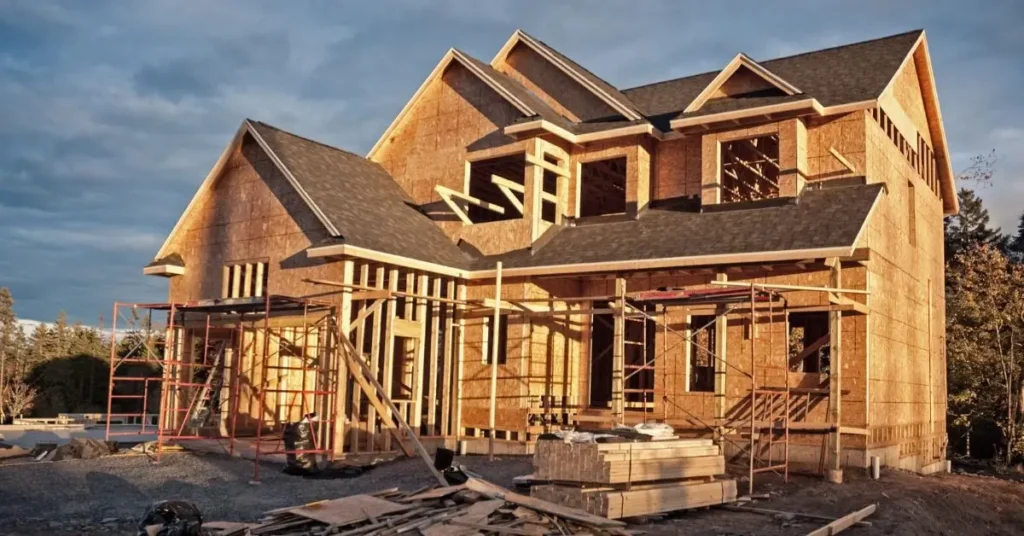
Pre-construction condos are where this question matters most, since most new condo units in Ontario are sold years before they are built. Whether foreigners can buy pre-construction condos in Canada under the exemption depends entirely on how “new” is defined, and that has not happened yet.
Under the current law, a non-Canadian generally cannot buy a pre-construction condo inside a census metropolitan area unless an existing exemption applies. Signing an agreement now in the hope that the rules change before closing is a gamble, because you could end up bound to a deal you are not legally allowed to complete. Have any builder agreement and its conditions reviewed before you hand over a deposit.
Can a Foreigner Buy a Resale House in Canada?
For most non-Canadians, no. A resale house is an existing home, and Budget 2026 proposes keeping the ban on existing homes until January 1, 2029. A foreigner can still buy a resale house in Canada in limited situations, such as when:
Canadian Real Estate Rules for Non-Residents With Temporary Status
Canada immigration and homeownership are closely linked under the Act. Several groups of temporary residents already have a way to buy today, without waiting for the budget changes.
Can Work Permit Holders Buy a House in Canada?
Yes, in many cases. Under the work permit holders property purchase exemption, a person who holds a valid work permit, or is otherwise authorized to work in Canada, can buy a home if they meet two conditions:
There is no price cap for work permit holders, and the home can be new or resale.
Can International Students Buy a House in Canada?
Some can, but the conditions are strict. An international student may qualify if they:
Most students do not meet the five-year requirement, which is why the new-home exemption could become the more realistic route for them once it is in force.
Other Existing Exemptions
The Act also exempts protected persons, diplomats and consular officers, and non-Canadians buying together with a spouse or common-law partner who is a citizen, permanent resident, or otherwise exempt. Each exemption comes with its own proof requirements, so confirm your eligibility before you sign.
Do Foreign Buyers Still Pay NRST on New Homes in Ontario?
Yes. The federal exemption, once in force, only deals with the federal ban. It does not change Ontario’s Non-Resident Speculation Tax (NRST), which is 25 percent of the purchase price for foreign nationals buying residential property with one to six units anywhere in the province. A home in Toronto also attracts the 10 percent Municipal Non-Resident Speculation Tax, in place since January 1, 2025, for a combined 35 percent.
This foreign buyer tax Canada buyers face in Ontario is paid on top of the regular land transfer tax, and in Toronto, the municipal land transfer tax as well. Our guide to Ontario land transfer tax explains how those amounts are worked out. A few narrow NRST exemptions exist, such as for nominees under the Ontario Immigrant Nominee Program, protected persons, and certain spouses of Canadian citizens or permanent residents, but the rebates that once helped international students and foreign workers were eliminated in 2022.
Canada Home Purchase Eligibility at a Glance
Steps for a Non Resident Buying Property in Canada
Step 1: Confirm Your Status Under the Act
Start with your immigration status and documents. Check whether you are a non-Canadian under the Act, whether an exemption applies, and whether the property is in a covered area. This one step decides whether the purchase is even possible today.
Step 2: Budget for Taxes and Closing Costs
Factor in the NRST, land transfer tax, HST on new builds where it applies, legal fees, and any builder closing adjustments. For non-residents, these costs can add a significant amount to the purchase price.
Step 3: Review the Agreement Before You Sign
Builder agreements and resale offers often include terms that put the risk on the buyer if the deal cannot close. Working with a law firm in Ontario that regularly handles non-resident transactions helps you add the right conditions and avoid losing a deposit over an eligibility problem.
Step 4: Plan How You Will Close
Arrange financing early, since lenders often have different rules for non-residents. If you will be outside Canada on closing day, plan for identity verification and a power of attorney well in advance.
Plan Your Purchase Around the Rules That Exist Today
Budget 2026 signals a real shift. For the first time since 2023, Ottawa is proposing a way for foreign buyers to enter part of the housing market. Still, until the legislation passes, the honest answer to “Can foreigners buy new homes in Canada?” is only if you already fall under an exemption, and Ontario’s speculation taxes apply either way.
If you are planning a purchase in Burlington, Hamilton, Milton, Oakville, or Toronto, a short review of your status, the property, and the agreement before you sign can protect your deposit and keep you clear of penalties. Estofa Law helps non-Canadian buyers understand where they stand today and what to watch for as the new rules take shape.
The information contained herein is intended for general informational purposes only and does not constitute legal advice. Since every situation and transaction carries its own distinct characteristics, it is strongly advisable to seek professional legal counsel tailored to your specific needs. Should any legal concerns arise, consulting a qualified lawyer is highly recommended.

Hassan Tahir
Barrister & Solicitor
Hassan Tahir shows strong legal skill and care for clients, with strong experience in real estate and immigration law along with a broad understanding of various legal matters. He provides clients with tailored answers, focusing on their needs first. Hassan values honesty, clarity, and great service, whether he’s handling residential or business property deal, or visa application cases.
Latest Blogs
-

Matrimonial Home vs Family Home – What’s the Difference?
• November 10, 2026 -
How to Remove a Deceased Spouse’s Name From Your Home Title
• November 2, 2026 -
Ultimate Document Checklist for Express Entry PR Applicants
• October 29, 2026 -
Notary Public vs Commissioner of Oaths – What’s the Difference?
• October 26, 2026 -
First vs Second Mortgage – Ultimate Guide for Borrowers
• October 19, 2026